
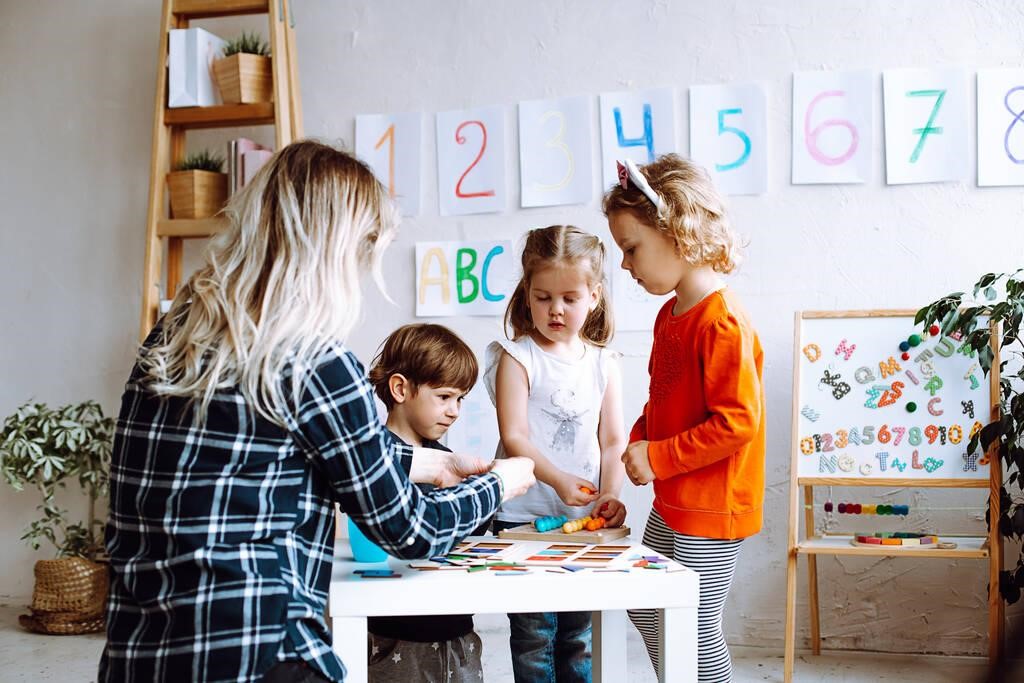

The early years of education are pivotal in shaping a child’s cognitive, social, and emotional growth. A high-quality kindergarten program provides the foundation for lifelong learning, equipping children with essential skills while nurturing curiosity, confidence, and creativity. For parents seeking the best environment to support their child’s development, understanding what constitutes exceptional kindergarten education is critical.
Understanding Kindergarten Education
Kindergarten is an early childhood educational program designed for children typically aged five to six. It introduces foundational skills in literacy, numeracy, and social development, often through engaging, play-based learning. Beyond academic instruction, kindergarten fosters essential life skills, teaching children to navigate relationships, communicate effectively, and adapt to structured environments.
The role of kindergarten in a child’s educational journey is profound. It nurtures social interaction, encourages emotional regulation, and sparks curiosity. By combining structured learning with creative play, kindergarten equips children with the confidence and adaptability needed to succeed in primary school and beyond. Early exposure to collaborative activities and guided exploration also lays the groundwork for problem-solving, critical thinking, and resilience.
Importance of High-Quality Kindergarten Education
High-quality kindergarten education delivers measurable benefits across cognitive, social, and emotional domains. Children who attend well-structured programs exhibit stronger language skills, improved numerical understanding, and enhanced creativity. They also develop essential social competencies, such as sharing, empathy, and teamwork, which are critical for building healthy relationships throughout life.
The first school experiences play a crucial role in shaping a child’s attitude toward learning. Positive early interactions encourage curiosity, self-confidence, and a love for learning, creating a foundation that benefits academic performance and personal growth for years to come. In contrast, inadequate early education can lead to gaps in fundamental skills and diminished enthusiasm for school, underscoring the value of quality programs.
Key Elements of Exceptional Kindergarten Programs
Top-tier kindergarten education encompasses several defining elements:
- Highly Qualified and Experienced Educators: Teachers with advanced training and extensive experience guide children with expertise, creating engaging lessons and providing individualized support tailored to each student’s learning style.
- Comprehensive Curriculum: A well-rounded program integrates mathematics, science, literacy, and the arts, fostering intellectual curiosity while cultivating creativity and critical thinking.
- Active Learning Methods: Classrooms that emphasize collaboration, hands-on projects, and discussion promote deep understanding and engagement. Active learning encourages children to think independently while exploring new concepts.
- Safe, Vibrant, and Stimulating Environment: A secure and lively setting nurtures exploration, collaboration, and social development, offering children the confidence to engage fully in learning activities.
- Adequate Playtime and Physical Activities: Play and movement are essential components of holistic development. Structured and unstructured play enhances physical coordination, creativity, emotional well-being, and social skills, while also providing opportunities for imaginative exploration.
Choosing the Right Kindergarten
Parents play a central role in selecting the most suitable kindergarten for their child. Factors such as curriculum quality, safety, teacher-student interactions, and overall environment should guide decision-making. Visiting potential schools, observing classroom dynamics, and engaging with educators provide valuable insights into how a program aligns with a child’s needs.
Supporting a child’s transition to kindergarten is equally important. Parents can establish routines, encourage independence, and visit classrooms together to reduce anxiety. Facilitating social interactions through playdates and group activities helps children adapt more smoothly to new environments while fostering confidence and interpersonal skills.
The Role of Parents in Enhancing Education
Parental involvement is a cornerstone of educational success. Engaged parents not only reinforce learning at home but also model curiosity, motivation, and resilience. Encouraging children’s interests, maintaining open communication, and celebrating effort rather than just outcomes cultivates a nurturing environment that strengthens both academic and emotional development.
Parents also play a pivotal role in fostering a lifelong love of learning. By providing stimulating resources, supporting exploration, and participating in educational activities, they help children develop a sense of wonder and curiosity that extends far beyond the classroom.
Why Choose Small Wonder Kindergarten Singapore
For families seeking high-quality early childhood education, Small Wonder kindergarten Singapore exemplifies a holistic approach to learning. The school emphasizes a balanced curriculum that combines academic rigor with play-based exploration, supported by a team of experienced educators dedicated to fostering each child’s potential.
Small Wonder focuses on nurturing social skills, emotional resilience, and creativity in a safe, vibrant environment. Children engage in a variety of learning experiences, from literacy and numeracy to science, arts, and physical activities, all designed to cultivate curiosity and confidence. Parental collaboration is encouraged, creating a supportive learning community that bridges home and school seamlessly.
Conclusion
Investing in a high-quality kindergarten education lays the groundwork for a child’s lifelong success. Exceptional programs like Small Wonder kindergarten Singapore provide more than academic instruction; they cultivate social, emotional, and cognitive skills while inspiring curiosity, confidence, and creativity. Early educational experiences shape not only what children know but also how they approach challenges, interact with others, and engage with the world around them. By prioritizing quality, parents ensure their children embark on a learning journey built on strong foundations, setting the stage for a future filled with opportunity and growth.