
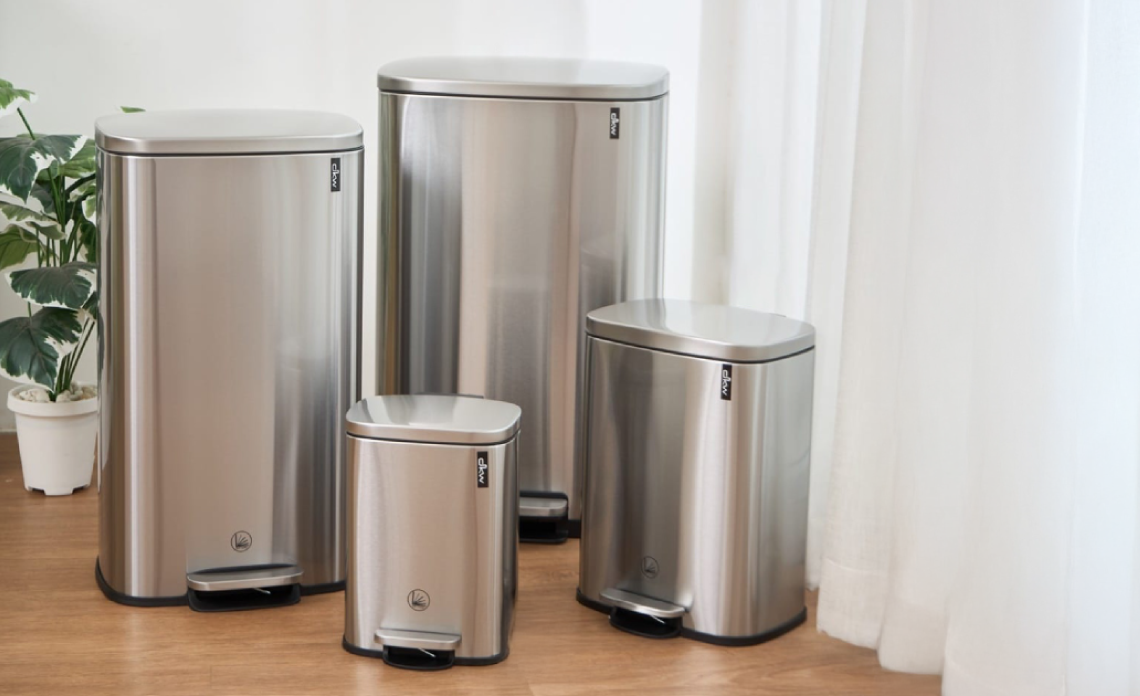

Maintaining a stainless steel trash can is not complicated, but it does require attention to detail. Stainless steel can be sensitive to certain chemicals and cleaning tools, and improper choices may damage the surface over time. The following guidelines outline recommended practices and common mistakes to avoid, ensuring long-lasting performance and appearance.
Do’s
● Vinegar Mixed with Liquid Dish Soap
One of the most effective and accessible cleaning solutions is a mixture of vinegar and liquid dish soap. This combination helps remove general dirt and stubborn stains without damaging the stainless steel surface. It also assists in neutralizing unpleasant odors inside the trash can.
● Mild Detergent and Warm Water
When using cleaning products, always choose a mild detergent that is safe for stainless steel. Mixing it with warm water helps dissolve grease and food residue more effectively, making cleaning easier while reducing the risk of surface damage.
● Stainless Steel Surface Cleaner
For more targeted maintenance, cleaners specifically formulated for stainless steel are recommended. These products are designed to clean effectively while enhancing shine, protecting the surface, and extending the lifespan of the trash can.
● Soft Scrubbing Sponge
Always use soft cleaning tools such as microfiber cloths or non-abrasive sponges. These materials remove dirt efficiently without scratching or dulling the stainless steel finish.
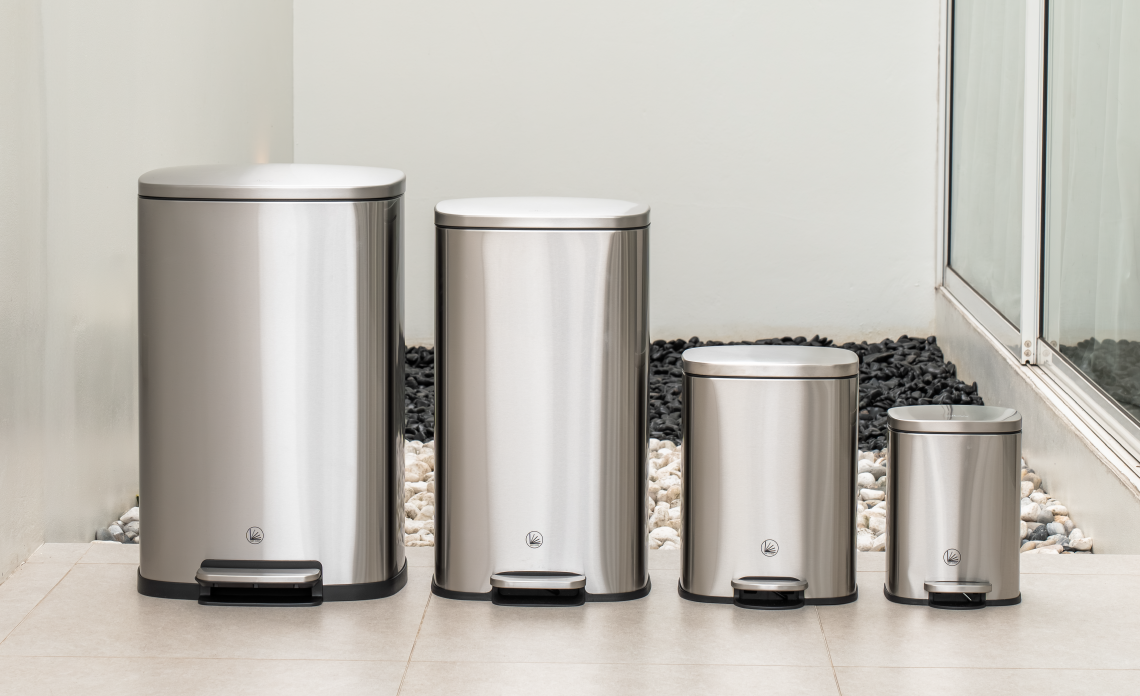
Don’t
● Chlorine Bleach
Avoid using cleaning products that contain bleach or chlorine. While these substances are effective disinfectants, they can dull the stainless steel surface, reduce shine, and accelerate long-term material deterioration.
● Harsh Chemical Cleaners
Cleaning agents containing chlorides or hydrochloric acid, which are commonly found in bathroom or floor cleaners, should not be used on stainless steel. These chemicals can cause corrosion, discoloration, or rust-like stains.
● Steel Wool or Metal Brushes
Even when dealing with stubborn stains, abrasive tools such as steel wool or metal brushes should never be used. These tools can permanently scratch the surface and significantly shorten the aesthetic lifespan of the trash can.