

A responsible procurement policy now looks beyond product price and asks how a supplier manages people, materials, and energy. For government project teams, large enterprise buyers, overseas agents, and facility directors, ESG is not a separate public-relations paragraph; it can affect material choice, factory process, utility use, and supplier credibility. A seat company serving transport hubs, education systems, healthcare institutions, and commercial organizations needs evidence that its strategy reaches daily operations. Leadcom Seating connects this responsibility to forest sourcing, environmental certification, production treatment systems, recycling programs, and solar energy use in manufacturing.
ESG as an Operating System
Material responsibility is a useful starting point because seating projects often involve wood, metal, fabric, and packaging. Leadcom Seating purchases wood from legally and sustainably managed forests and uses China Environmental Label green product certification to support material responsibility. Several product lines are also described as having passed ISO 14025 Type III environmental statement certification. For government procurement officers and major enterprises, this information connects seating decisions with wider environmental purchasing policies. A seat manufacturer that can document material origins and certification gives a seat company stronger credibility during formal review. It also gives overseas agents a stronger basis for explaining supplier responsibility to local public clients.
Waste and Emissions Control in Production
Production control is another part of ESG that buyers can verify. The same operating approach includes the fact that wastewater generated during production goes through three-phase precipitation treatment, polluted air is filtered through activated carbon, and dust is collected by a dust collector. Powder from the metal powder spraying process can be recycled and reused, while recycling programs cover scrap metal, wood, fabric, and paper. These measures are relevant when a seat manufacturer supplies public facilities, because the manufacturing impact sits behind every visible seating installation in airports, classrooms, hospitals, and office buildings. Such details make environmental claims easier to review during formal tender or internal approval.
Why ESG Matters to Public Clients
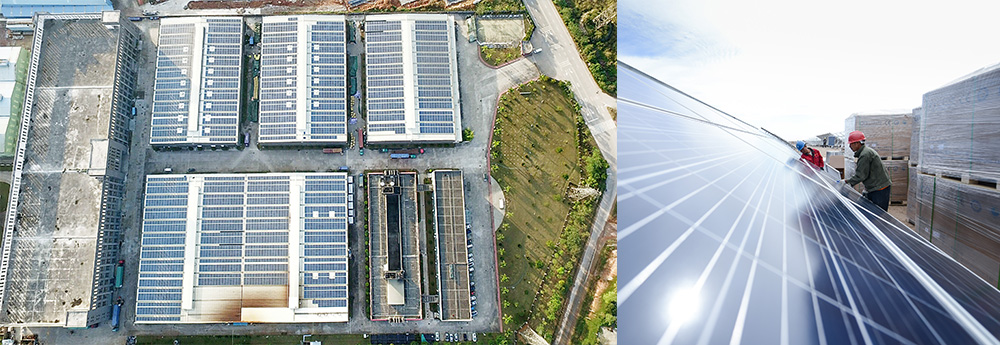
Energy use also affects long-term corporate responsibility. Rooftop solar panel systems can generate up to 2 million kilowatt-hours (kWh) of electricity annually, adding an energy dimension to the company’s sustainability work. For overseas agents, this information can strengthen conversations with clients who need responsible sourcing narratives for public or institutional projects. ESG integration is therefore practical rather than decorative: it reduces uncertainty, supports compliance discussions, and helps buyers select a seat company that treats manufacturing responsibility as part of business strategy. A disciplined seat manufacturer can help a seat company demonstrate responsibility through evidence that procurement committees can read and verify.
