
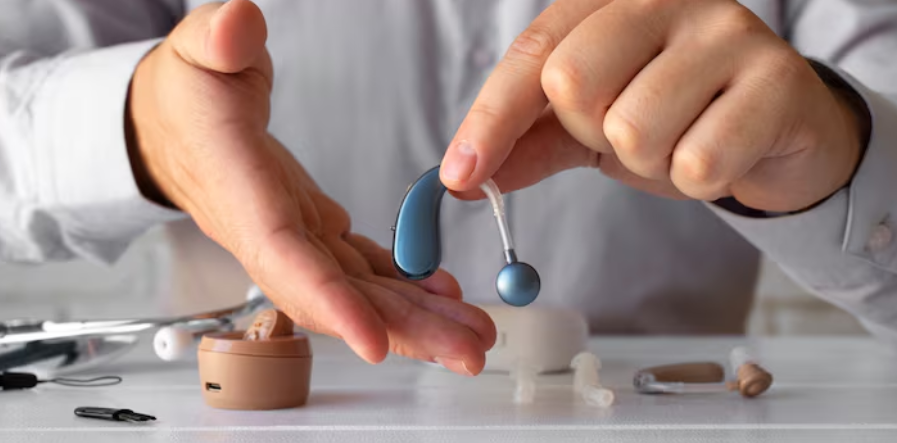

Hearing aids play a vital role in enhancing communication, social interaction, and overall quality of life for individuals with hearing loss. However, selecting the right device requires careful evaluation of one’s auditory abilities. A hearing aid test is an essential step in this process, providing personalized insights into hearing health and guiding the selection of the most suitable hearing solution. These assessments ensure that hearing aids are properly fitted, function effectively, and improve overall auditory perception, thereby supporting better daily communication and well-being.
Understanding the Fundamentals of Hearing Loss
Hearing loss can arise from multiple factors, including ageing, prolonged exposure to loud noises, genetics, infections, or medical conditions affecting auditory function. Early detection is crucial, as timely intervention significantly enhances outcomes and helps maintain quality of life. Untreated hearing loss can lead to social isolation, emotional stress, and diminished cognitive function over time.
There are several types of hearing loss:
- Conductive Hearing Loss: Caused by issues in the outer or middle ear that prevent sound from reaching the inner ear.
- Sensorineural Hearing Loss: Results from damage to the inner ear or auditory nerve.
- Mixed Hearing Loss: A combination of conductive and sensorineural factors.
The presence and severity of hearing loss often determine the need for hearing aids, as these devices amplify sounds and improve speech comprehension, allowing users to engage more effectively in social and professional environments.
Introduction to Hearing Aid Tests
A hearing aid test evaluates an individual’s auditory capabilities, determining which type of device and settings will provide optimal hearing support. These tests are designed to assess sound perception across different frequencies, measure speech comprehension, and evaluate middle-ear function. By identifying specific hearing deficits, a hearing aid test ensures that the device is personalized to meet the unique needs of the user.
Types of Hearing Aid Tests
Several tests may be performed during a comprehensive hearing assessment:
- Pure-Tone Testing: Measures the softest sounds a person can detect across various frequencies.
- Speech Testing: Evaluates the ability to understand spoken words in quiet and noisy environments.
- Tympanometry: Assesses middle ear function by measuring the eardrum’s response to changes in air pressure.
- Acoustic Reflex Testing: Tests the ear’s reflexive response to loud sounds, indicating the integrity of auditory pathways.
- Auditory Brainstem Response (ABR): Records electrical activity in the brainstem triggered by sound, often used for infants or individuals unable to participate in conventional tests.
- Otoacoustic Emissions (OAEs): Detects sounds produced by the cochlea, providing information about inner-ear health.
Preparing for a Hearing Aid Test
Proper preparation ensures accurate results and a smooth testing experience. Individuals should gather their medical and hearing history, note any symptoms, and prepare questions regarding hearing needs. Creating a quiet environment and following instructions during testing further enhances the reliability of results. During the session, audiologists conduct evaluations, discuss findings, and recommend hearing aids tailored to individual auditory profiles.
Interpreting Hearing Aid Test Results
Results from a hearing aid test reveal the type and severity of hearing loss. Hearing difficulties can range from mild challenges in detecting soft sounds to profound impairment where normal conversation is largely inaudible. These results are critical in selecting the ideal hearing aid, determining the level of amplification required, and customizing device settings to ensure clear, comfortable hearing.
Exploring Hearing Aid Solutions
Hearing aids come in various styles to suit different needs and preferences:
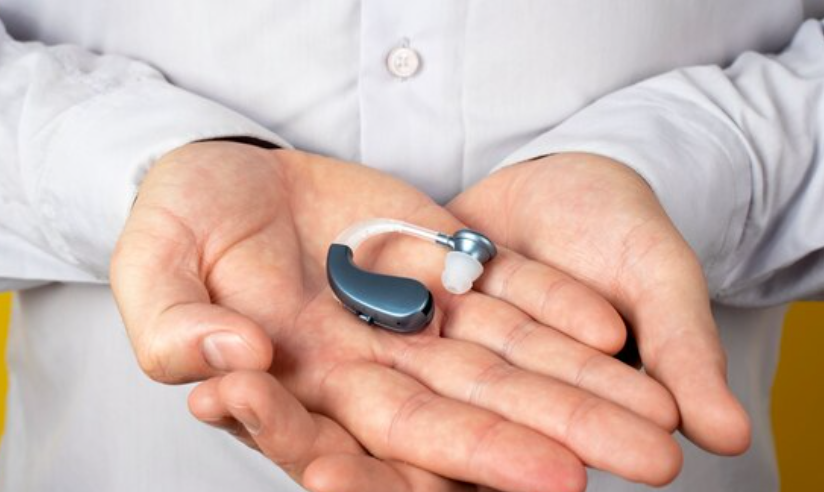
- Behind-the-Ear (BTE) Hearing Aids: Worn behind the ear, transmitting sound through a tube to an earpiece.
- In-the-Ear (ITE) Hearing Aids: Custom-fitted devices placed inside the ear, providing enhanced amplification.
- Canal Hearing Aids: Compact devices that fit snugly in the ear canal for clearer sound.
- Completely-In-the-Canal (CIC) Hearing Aids: Small, discreet devices fully inserted into the ear canal for minimal visibility.
Selecting the right device involves considering lifestyle, comfort, budget, and specific auditory requirements, ensuring the hearing aid integrates seamlessly into daily life.
Importance of Regular Hearing Aid Tests
Regular testing is essential for maintaining optimal device performance and adapting to changes in hearing. As hearing ability may fluctuate over time, periodic reassessment allows audiologists to adjust settings, update devices, and ensure consistent sound clarity. Routine care also extends the lifespan of hearing aids and supports sustained auditory health.
Hearing Aid Test FAQs
How do I test my hearing aid?
Users should evaluate sound clarity, volume levels, and performance in various environments to ensure optimal functionality.
Can I test my own hearing at home?
Preliminary hearing assessments can be conducted using online resources or apps, though professional testing remains the most accurate method.
How much does a hearing aid test cost?
Costs vary depending on the provider and services, ranging from free consultations to several hundred dollars for comprehensive evaluations.
Conclusion
Hearing aid tests are indispensable in achieving optimal hearing outcomes. They provide precise assessments, guide device selection, and ensure personalized settings for improved communication and overall quality of life. Regular testing and professional guidance are key to maintaining hearing health and adapting to changing auditory needs. Individuals seeking expert evaluation and personalized solutions can access professional services through a reliable hearing aid test, ensuring the best hearing outcomes tailored to their unique requirements.