
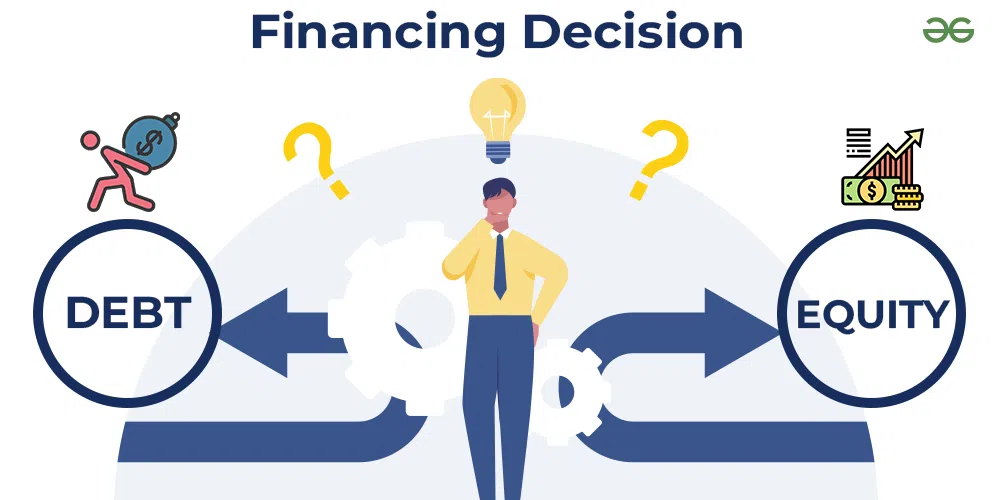

Most financial decisions are made quickly and quietly. A swipe here, a subscription there, a choice to put something off until later. Rarely do these moments feel important on their own, yet over time they shape comfort, stress levels, and future options. Making financial decisions with purpose is less about big dramatic moves and more about becoming aware of the small ones that repeat.
Purpose shows up when money choices are connected to something beyond the moment. It is the difference between reacting and responding. For many people, that awareness begins during periods of strain, such as when exploring options like debt relief. In those moments, it becomes clear that every decision has a ripple effect, even when it feels minor. A purposeful approach to finances does not remove enjoyment from life. It helps enjoyment last longer by reducing regret and uncertainty.
Purpose Starts with Understanding the Why
A common mistake in personal finance is focusing only on rules. Save this much. Spend less there. Avoid this habit. Rules can help, but without a reason behind them, they rarely stick. Purpose comes from knowing why a decision matters to you personally.
Maybe you want flexibility, peace of mind, time with family, or freedom to change careers. These motivations give context to numbers. When a choice connects to something meaningful, it becomes easier to follow through. Purpose turns abstract goals into daily guidance.
Linking Today’s Choices to Tomorrow’s Reality
One of the hardest parts of financial decision making is the time gap. The benefit of a good choice often shows up far in the future. The cost of a poor one shows up slowly. Purpose bridges that gap. It helps you see today’s actions as votes for the life you want later. This does not mean denying yourself everything now. It means choosing consciously. A helpful habit is to pause briefly before spending and ask what future version of yourself this choice supports. That pause creates space for intention.
Managing Emotions Without Ignoring Them
Money decisions are emotional, even when we pretend they are not. Stress, excitement, fear, and comparison all influence choices. Making decisions with purpose does not mean eliminating emotion. It means understanding it. When emotions are acknowledged, they lose some of their control.
The Consumer Financial Protection Bureau explains how stress and urgency can lead to reactive financial choices. Their guidance on building financial well-being emphasizes planning as a way to reduce emotional pressure. Knowledge acts as a stabilizer. The more you understand your options, the less likely emotions are to run the process.
Clear Goals Reduce Decision Fatigue
Every decision requires mental energy. Without clear goals, even small financial choices become draining. You weigh options repeatedly without a reference point. Purposeful goals simplify this. When you know what you are working toward, many decisions answer themselves.
If a choice aligns with your goal, it moves forward. If it does not, it waits. Goals do not need to be complex. They need to be specific enough to guide action and flexible enough to adjust as life changes.
Automation as an Ally, not a Crutch
Automation often gets framed as a convenience tool, but it is also a purpose tool. Automating savings, bill payments, or debt payments ensures that priorities are honored even when attention is elsewhere. This reduces reliance on motivation.
Purpose is built into the system rather than constantly negotiated. Automation does not replace awareness. It supports it. Regular check ins ensure systems still match goals, but daily effort is reduced.
Balancing Present Enjoyment With Future Security
A common fear around purposeful financial planning is that it leads to constant restriction. In reality, purpose helps balance enjoyment and security. When spending is intentional, enjoyment increases. You know why you chose it.
You are less likely to feel guilty or anxious afterward. Purpose also protects future security by setting limits that align with long term priorities. It is not about choosing future happiness over present happiness. It is about designing both to coexist.
Using Advice Strategically
Seeking professional advice is often misunderstood as a sign of failure. In a purposeful framework, it is a strategic decision. Financial professionals, educators, and credible resources provide perspective that is hard to gain alone. They can help clarify options, highlight risks, and offer structure.
Investopedia provides clear explanations of financial concepts, which helps people make informed choices without feeling overwhelmed. Advice works best when paired with self-knowledge. You bring the goals. The guidance helps refine the path.
Measuring Progress Beyond Numbers
While numbers matter, they are not the only measure of progress. Reduced stress, improved confidence, and clearer boundaries are signs that purposeful decision making is working. Pay attention to how you feel about money choices. Are you more confident. Are decisions less reactive. Are surprises less frequent. These indicators often show progress before balances change significantly.
Purpose Is a Skill That Strengthens Over Time
Purposeful financial decision making is not a one-time achievement. It is a skill that develops through practice, reflection, and adjustment. Mistakes will still happen. Life will still change. Purpose helps you respond with intention rather than panic. Over time, decisions become more aligned, less exhausting, and more supportive of the life you want to build.
Choosing Direction Over Perfection
Making financial decisions with purpose is ultimately about choosing direction over perfection. You do not need to get every choice right. You need to know where you are heading. When actions today are linked to outcomes tomorrow, money becomes a tool rather than a source of constant stress. Purpose creates clarity. Clarity creates confidence. With that foundation, financial decisions stop feeling like isolated moments and start feeling like part of a coherent plan that supports both present enjoyment and future security.