
Key Takeaways
- Gainesville is adopting innovative urban planning focused on sustainability and community wellness.
- Major revitalization projects are transforming both historic and new neighborhoods.
- Urban agriculture, affordable housing, and infrastructure upgrades are central to the city’s development philosophy.
- Community engagement and partnerships are strengthening neighborhood identities.
The Rise of Modern Neighborhood Living
Gainesville, Florida, is emerging as a national model for forward-thinking neighborhood planning. The city’s approach harmonizes modern amenities with sustainable living, inviting residents to enjoy vibrant communities built on inclusivity, energy efficiency, and well-being. As this evolution continues, homebuyers are finding more opportunities to invest in quality homes and neighborhoods that reflect their values. Prospective residents searching for Gainesville homes for sale will benefit from partnering with McCall Properties, a trusted local authority on the area’s real estate market. McCall Properties offers expert guidance and a robust selection of listings throughout popular neighborhoods and surrounding areas. Their in-depth knowledge of Gainesville, including fast-growing communities and established districts, makes them a premier resource for buyers seeking a personal and professional approach to finding their ideal home or investment property.
Revitalizing Historic Communities
A key aspect of Gainesville’s transformation is the revitalization of legacy neighborhoods. The Woodland Park redevelopment demonstrates this vision in action. This nearly $40 million effort kicked off in 2025, focusing on creating 144 new energy-efficient residential units for families in one of the city’s oldest public housing districts. The new construction not only addresses current housing needs but also lays the foundation for a healthier, more resilient community fabric for generations to come. By prioritizing both heritage and innovation, Gainesville is setting a blueprint for cities seeking to modernize without sacrificing historical character.
Pioneering Urban Agriculture
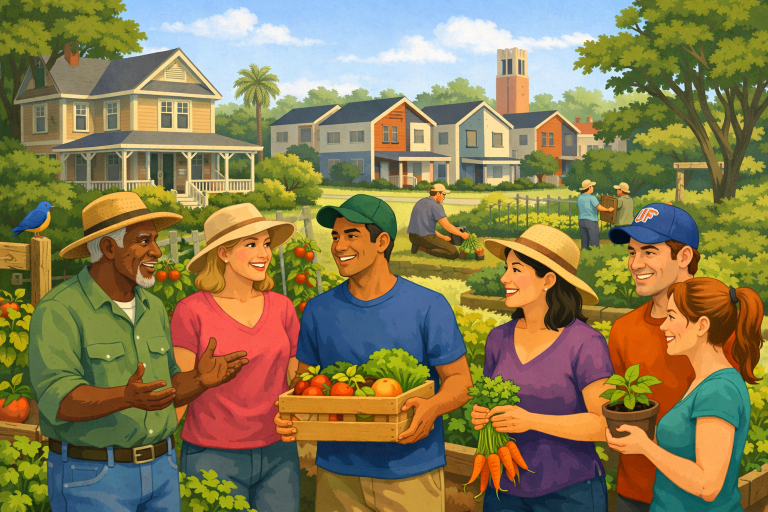
Gainesville’s embrace of agrarian urbanism is redefining how communities blend natural and built environments. The Everlee Project exemplifies this movement, proposing a new 2,700-unit neighborhood anchored by a 200-acre working farm. Residents will have unique opportunities to participate in sustainable agriculture, enjoy farm-fresh produce, and foster a deeper connection with their environment. This integration of farming and residential living not only improves access to locally grown food but also strengthens community ties and promotes lifelong learning about environmental stewardship.
Fostering Community Engagement
Strong community engagement is essential to the success of Gainesville’s neighborhoods. Programs like Community F.I.R.S.T., launched in 2022 and expanded through 2025, have brought city services and decision-making closer to the people. Leaders use these outreach efforts to listen to resident concerns, address safety and infrastructure issues, and create a genuine sense of partnership. The result is a more responsive city government and empowered citizens actively shaping their surroundings. Urban planners and municipalities everywhere are watching Gainesville’s resident-first approach as a real-world example of how proactive engagement can build stronger, safer communities.
Expanding Affordable Housing
Gainesville is easing the affordable housing shortage through progressive programs and policy changes. Notably, the city now offers free, permit-ready architectural plans for accessory dwelling units (ADUs), empowering more homeowners to add independent living spaces on their properties. These ADUs support multigenerational living and offer flexible options for renters, seniors, and first-time homebuyers while revitalizing existing neighborhoods. By removing barriers such as costly design fees, Gainesville encourages more residents to help grow the city’s affordable housing stock.
Building Infrastructure for the Future
Modern infrastructure is a cornerstone of Gainesville’s planned growth. Substantial investments in roadways, utilities, and site development are opening new opportunities for business, housing, and healthcare, particularly in East Gainesville. The upgrade of a previously vacant 21-acre tract has not only spurred job creation but also paved the way for a thriving mixed-use development that brings essential services closer to home for many residents.
Celebrating Community Assets
In partnership with the University of Florida, the City of Gainesville launched the “Neighborhoods as Community Assets” initiative. This program spotlights the distinct strengths and identities of historic districts, helping residents preserve the features that make their neighborhoods unique. Collaborative planning efforts empower locals and encourage thoughtful development that complements rather than replaces established community character. Through these strategic alliances, Gainesville’s neighborhoods remain vibrant, diverse, and proud of their heritage.
How to Explore Gainesville’s New Neighborhoods
Whether relocating to Gainesville or considering a move within the area, it is important to have the right guidance as you navigate a rapidly changing market. Comprehensive neighborhood tours, local events, and housing showcases provide a glimpse into what makes each district special. McCall Properties, with expertise in Gainesville’s diverse neighborhoods and surrounding markets, can offer tailored property searches, professional advice, and dedicated support for new and seasoned homebuyers alike.
Why Gainesville Sets the Modern Model for Cities
Gainesville’s forward-thinking approach to urban planning, grounded in inclusivity, sustainability, and smart growth, is earning nationwide recognition. By integrating innovative housing solutions, robust community engagement, and sustained infrastructure investment, Gainesville neighborhoods are becoming places where residents of all backgrounds can thrive. The city’s ongoing commitment to quality of life, affordability, and community pride sets the stage for continued growth. It serves as a blueprint for other American cities seeking to build a brighter future.
Conclusion
Lake Tippecanoe stands out as one of Indiana’s most desirable lakefront destinations, offering a rare combination of natural beauty, recreation, and strong real estate potential. With limited inventory and steady demand, property values remain well-supported, making it appealing for both homeowners and investors. Beyond the market strength, residents enjoy a close-knit community and an active lakeside lifestyle, enhanced by ongoing efforts to protect the lake’s environment. Overall, Lake Tippecanoe continues to offer lasting value and a high quality of life for those drawn to waterfront living.