

Table of Contents
- Acorn and Germination
- Seedling to Sapling
- Maturity and Reproduction
- Senescence and Decline
- Environmental Factors Influencing Growth
- Benefits of Oak Trees
Oak trees stand as timeless pillars in forests, parks, and neighborhoods, admired for their resilience and grandeur. Each stage of their life cycle tells a story of adaptation, survival, and ecological contribution. Learning about how oaks grow from the first sprout to old age not only fosters a greater appreciation for these trees but also helps in nurturing them for future generations. If you are curious about how long oaks typically live or want to learn more about the oak tree lifespan, understanding their life stages is a crucial first step.
Oak trees are linked to rich ecosystems, influencing the landscape over centuries. Their growth stages guide best practices for tree care, help manage pests and diseases, and inform reforestation efforts. Whether you are a landowner, gardener, or simply an admirer of nature, detailed knowledge of an oak’s journey adds value to your interaction with these remarkable trees.
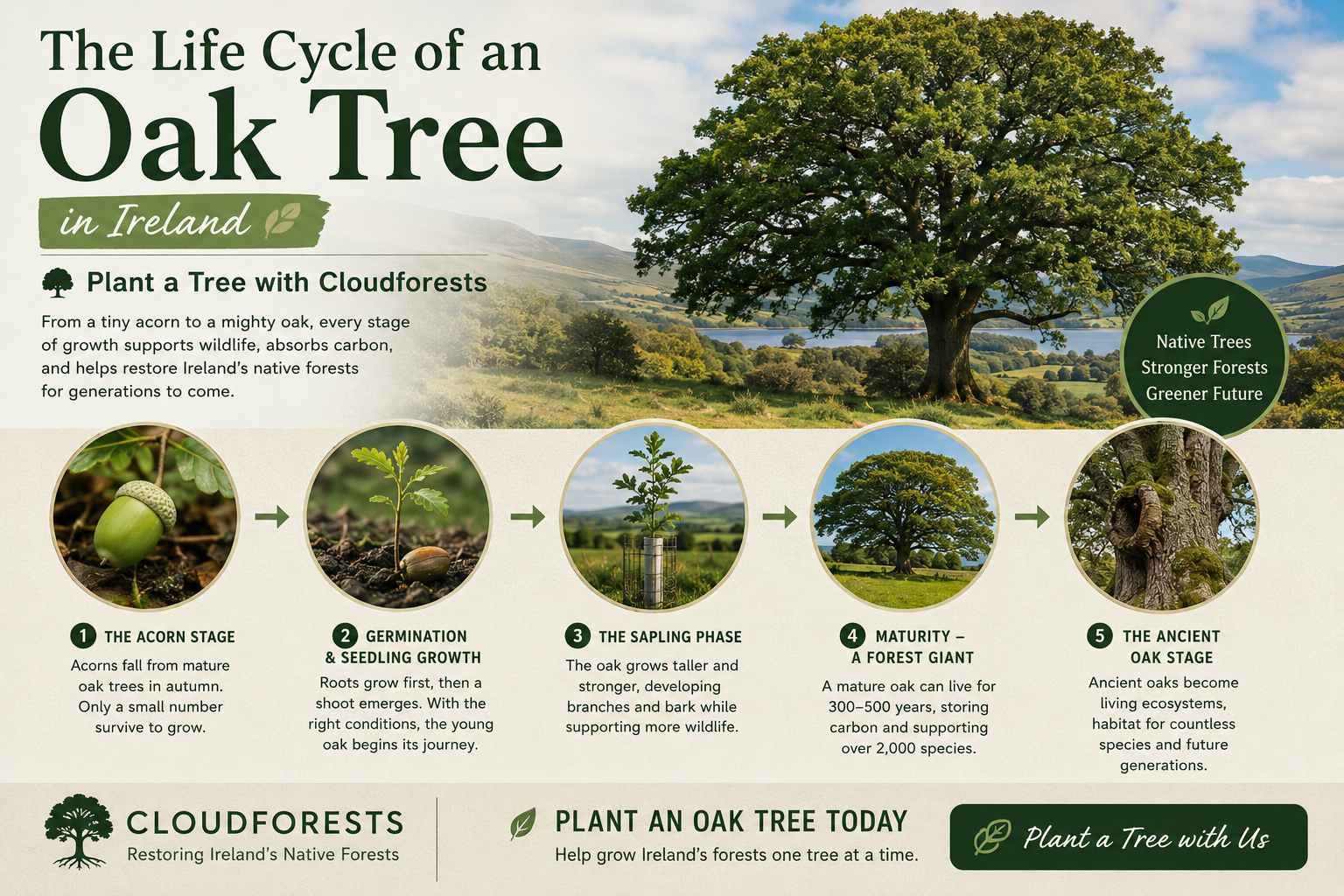
Acorn and Germination
Every oak begins as a single acorn, distinguished by its tough shell and resilient spirit. Inside, the embryo nestles alongside vital nutrients. Many oaks, especially those from the red oak family, require a period of cold and moisture called stratification to break down growth inhibitors within the acorn. This ensures that germination occurs only once favorable conditions of warmth and moisture return in spring. In comparison, white oak acorns may bypass this wait, sprouting soon after they hit the ground in autumn, provided soil conditions are suitable.
During germination, the acorn swells, and the radicle (embryonic root) pushes downward to form an anchor in the soil. This allows the oak seedling to secure water sources deep underground, crucial for surviving early challenges. Above the soil, growth is initially slow, as most energy is spent on establishing a strong root system rather than creating leaves or stems. The cotyledons, or seed leaves, often remain beneath the soil, fueling the tiny plant’s early development until sunlight can drive photosynthesis.
Seedling to Sapling
The journey from seedling to sapling is pivotal. Once the root is established, the shoot gradually grows upward, and true leaves appear. These leaves harness the sun’s energy and help the young oak produce the food it needs to thrive. Seedlings compete with grasses, shrubs, and other trees for space, light, and nutrients. Oaks are slow growers at first, prioritizing root health and the establishment of a sturdy structure that can survive animal grazing, harsh weather, or competition for resources.
Throughout the first few years, intervention can make all the difference. Proper watering, careful weeding, and occasional mulching support the oak’s vulnerable start. This phase, though often overlooked, sets the foundation for a tree that may someday live for several centuries. For those wanting to learn even more, resources like the National Park Service’s spotlight on oaks provide rich insights into oak ecology at this stage.
Maturity and Reproduction
Oaks reach reproductive maturity anywhere from 20 to 50 years of age, with the exact timing dependent on species and growing conditions. At this point, they begin to produce their own acorns, which will spread and potentially become the next generation of oaks. Unlike many plants, peak acorn production occurs much later, usually after 80 to 120 years. Mature oaks redirect their growth from reaching upward to expanding outward, thickening their trunks and developing complex, deeply grooved bark to shield against external threats.
This phase is marked by increased biodiversity. Mature oaks offer crucial food and shelter to countless organisms ranging from insects to birds and mammals, creating microhabitats and stabilizing environmental conditions. Reproductive maturity also marks the tree’s greatest ecological influence, both as a seed producer and as a keystone species within its habitat.
Senescence and Decline
Eventually, every oak enters a period of slow decline. Senescence is a natural stage that often unfolds across decades, or even centuries, depending on the tree’s health and environmental factors. Growth slows substantially, and the oak becomes more vulnerable to pests, fungal infections, drought, and wind damage. Over time, these challenges may weaken structural integrity and reduce seed production, leading to a gradual fading of vitality.
Even during decline, aging oaks fulfill vital ecosystem functions. Decaying wood nurtures fungi, and hollow trunks give shelter to birds, bats, and small mammals. The process of decline plays an integral role in the natural cycle, recycling nutrients and supporting food webs long after the tree’s prime.
Environmental Factors Influencing Growth
Many factors shape oak development from seedling to ancient tree:
- Soil Quality: Rich soil with good drainage is essential. Poor or compacted soils retard root expansion and overall growth.
- Sunlight: Oaks need at least six hours of direct sunlight daily. Insufficient light slows height and branch growth.
- Water Availability: Consistent moisture is critical during the first few years. Prolonged dryness can stunt young trees or even kill them.
- Competition: Surrounding trees, large shrubs, or invasive plants compete for limited water and nutrients, potentially suppressing the oak’s progress.
Benefits of Oak Trees
Oaks offer profound benefits to both natural and cultivated environments:
- Wildlife Habitat: Oaks are a keystone species, supporting thousands of animal and insect species. They are especially vital for birds and caterpillars, as highlighted in Audubon’s profile of oaks and wildlife.
- Air Quality Improvement: Through photosynthesis, oaks remove carbon dioxide from the air and release oxygen, contributing to climate regulation and cleaner air in both cities and forests.
- Soil Stabilization: Their vast root systems reduce soil erosion, stabilize slopes, and help filter groundwater naturally.
- Aesthetic Value: Oaks are symbols of endurance and beauty, shaping landscapes and bringing seasonal interest through their leaves, acorns, and massive stature.
Caring for oak trees throughout their life stages not only preserves their legacy but also ensures their many benefits endure for generations. From their beginnings as tiny acorns to their finale as weathered giants, oaks hold a vital place in ecosystems and hearts alike.