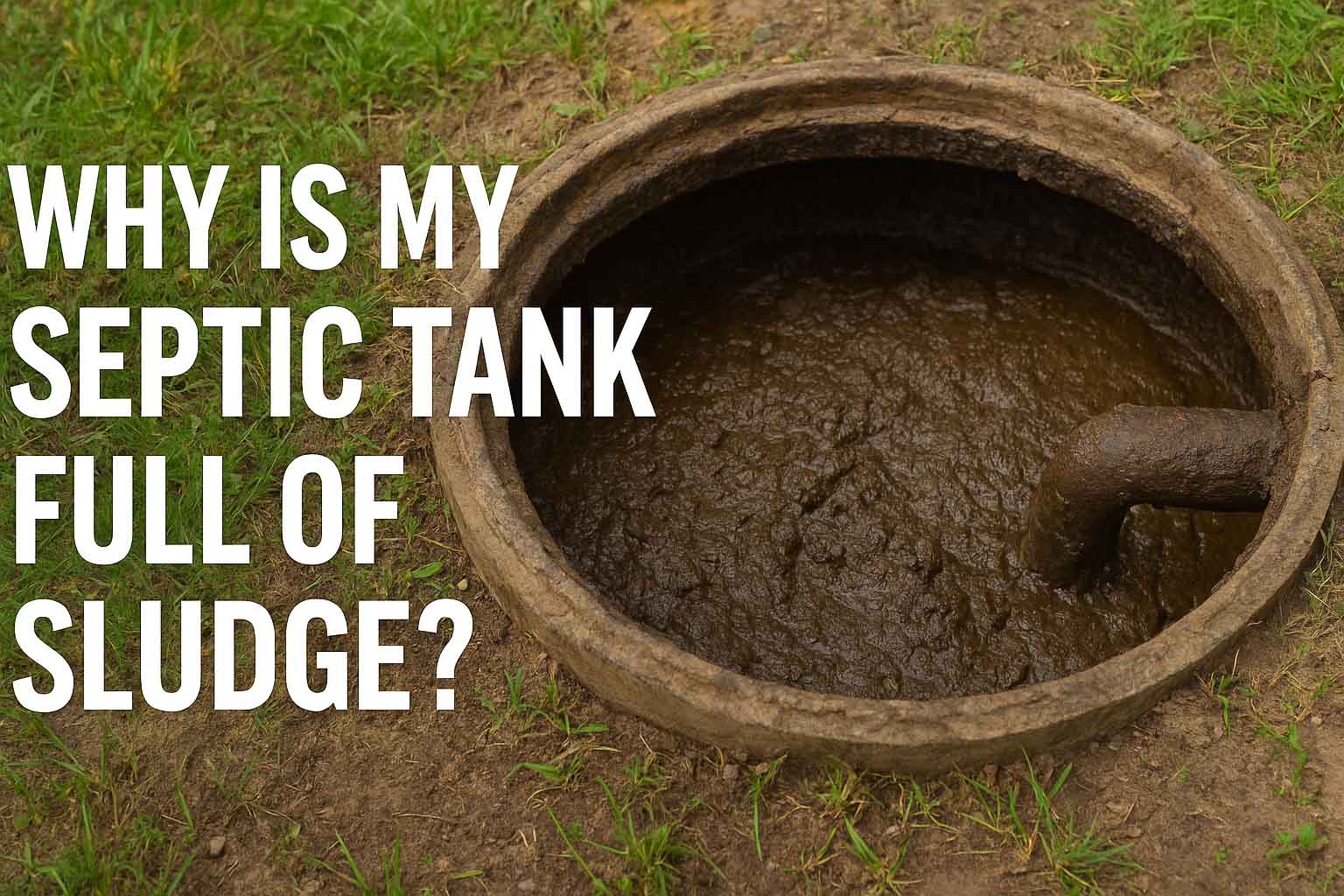

Kitchen drains and toilets can carry far more than wastewater into a septic system during ordinary cooking, cleaning, laundry, and bathroom routines. Grease, wipes, plastics, and other stubborn materials remain in the tank long after normal organic waste begins to break down. Over time, that buildup changes how the tank separates solids, strains the outlet, and raises the chance of backups or drain field trouble.
Grease Hardens Into a Floating Barrier
Cooking oil enters the tank as a liquid, but cooler temperatures cause it to thicken and join the scum layer near the surface. Thick grease can trap paper, food particles, and other debris, creating a dense mat that reduces the clear space needed for wastewater treatment and proper settling.
Eventually, that floating mass may reach the outlet baffle and move into the drain field, where removal becomes far more difficult. A septic contractor can remove the buildup during septic tank pumping, yet repeated grease disposal may shorten the time between visits and increase the likelihood of clogged pipes.
Why Flushable Wipes Do Not Behave Like Toilet Paper
Many wipes carry a flushable label, although they often remain intact much longer than standard toilet tissue after entering household plumbing. Strong fibers help them resist tearing during use, but the same strength allows them to collect in the tank, wrap around components, and block inlet areas.
Unlike paper designed for quick breakdown, wipes can form heavy bundles with hair, grease, and hygiene products near the tank bottom. Septic tank service becomes more difficult when technicians must loosen these masses before pumping, and severe blockages may require separate line cleaning.
Plastic and Rubber Items Never Break Down
Small plastic wrappers, dental floss, condoms, gloves, and similar products do not decompose through normal bacterial activity inside a septic tank. Instead, they stay in the tank, occupy working space, and may interfere with filters, pumps, or float switches found in certain systems.
Rubber materials create another problem because they can stretch across openings or become lodged inside narrow pipes where inspection is difficult. Professional septic tank pumping services remove accessible waste, but items that travel beyond the tank may require excavation or equipment repairs.
Food Scraps Add More Solids Than the Tank Can Handle
Garbage disposals grind food into smaller pieces, yet those particles do not disappear or become harmless once they enter the tank. Ground scraps settle into the sludge layer, increasing its depth faster and giving bacteria a larger load to process between pumping appointments.
Heavy food waste can also contain fats, starches, and fibrous material that break down slowly and thicken the settled layer. Households using a disposal often need more frequent septic tank pumping because the tank receives solids that would otherwise enter a trash or compost container.
Grease and Trash Can Damage the Drain Field
Escaped solids can settle inside distribution pipes and block the holes that release effluent evenly into the surrounding soil. Once flow concentrates in only a few areas, those sections remain wet, lose oxygen, and absorb wastewater less effectively.
Clogged soil may then produce sewage odors, soft ground, or unusually green patches above the drain field during dry weather. People searching for septic companies near me should look for providers that inspect the outlet and surrounding conditions instead of assuming a pump-out will repair damaged soil.
Harmful Waste Upsets the Tank’s Natural Bacteria
Healthy bacteria help digest organic matter and reduce the volume of waste accumulating inside the tank between routine service visits. Harsh cleaners, solvents, paint, fuel, and large amounts of antibacterial products can disturb that balance and slow the treatment process.
Reduced bacterial activity allows sludge to build more quickly while poorly treated wastewater moves toward the outlet and soil absorption area. Experienced septic contractors Huntsville AL may ask about household disposal habits because chemical exposure can explain unusual odors, rapid accumulation, or recurring system problems.
Better Disposal Habits Protect the Whole System
Simple habits can keep troublesome materials out of the plumbing and preserve more usable room inside the tank. Residents can cool grease in a container, place wipes and hygiene products in the trash, scrape plates before washing, and avoid pouring chemicals into sinks or toilets.
Routine maintenance still matters because even well-managed systems collect sludge and scum through ordinary daily use over time. Cora Environmental provides septic tank pumping in the Huntsville area, helping property owners remove accumulated waste, review tank conditions, and reduce the damage that grease and non-biodegradable debris can cause.