

Key Takeaways
- Build a budget that includes ownership costs, not just the selling price.
- Choose vehicles based on real Denver-area driving needs and passenger requirements.
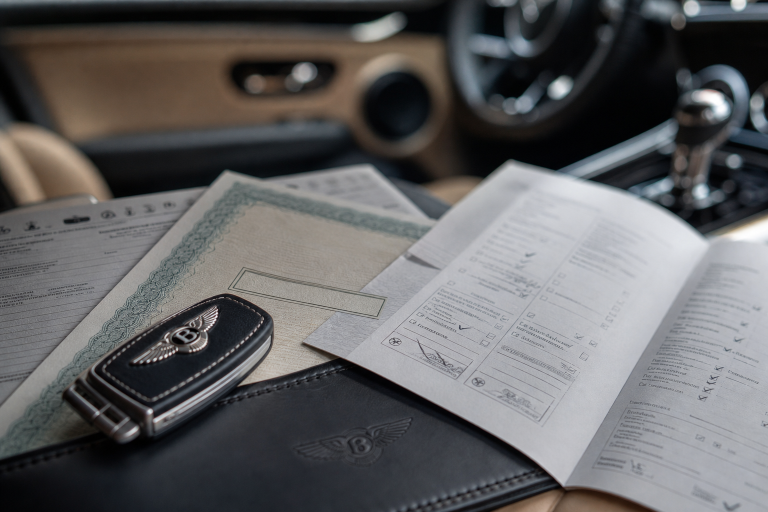
- Review the title, vehicle history, recall status, and maintenance documentation.
- Test every major mechanical, comfort, and electronic feature.
- Arrange an independent pre-purchase inspection whenever practical.
- Use documented condition issues to support a fair, informed offer.
Shopping for a luxury vehicle in Denver calls for more than choosing the right badge, color, or feature list. Colorado driving can include city traffic, winter weather, steep grades, and long highway trips, so the best choice is one that fits both your daily routine and your long-term budget. Exploring a pre-owned Bentley Denver inventory can be a useful starting point for comparing condition, equipment, mileage, and ownership history.
A pre-owned luxury vehicle may offer exceptional comfort, performance, and technology for less than a comparable new model. Still, the purchase price is only the beginning. Careful buyers look closely at service records, inspection results, coverage, and likely maintenance needs before making a commitment.
Set a Realistic Budget
Start with the complete out-the-door number, including taxes, registration, insurance, fuel, maintenance, and a reserve for repairs. A lower-priced vehicle may not be the less expensive choice if it immediately needs tires, brakes, fluid service, a battery, or overdue repairs. Ask for the out-the-door price in writing and review each optional product before agreeing to it.
Build a Shortlist That Fits Your Life
Denver buyers should compare two or three suitable models before becoming attached to a single listing. Consider passenger space, cargo capacity, parking needs, expected annual mileage, ride comfort, all-wheel-drive needs, and whether the vehicle will regularly travel into the foothills or mountains.
Questions to Ask
- How often will adults or children use the rear seats?
- Will the vehicle handle mostly short trips, long drives, or both?
- Which features will be used regularly, such as heated seats, cameras, or driver assistance?
- Can the household budget handle premium fuel, specialized parts, and unexpected repairs?
Review History and Records
A history report can help identify reported accidents, ownership changes, title brands, mileage entries, and some service events. Match the vehicle identification number on the dashboard, door-area label, and paperwork. Review available invoices for oil changes, brake work, tires, fluids, and recommended maintenance. Also, use the vehicle identification number to check for unrepaired safety recalls before completing the purchase.
A clean history report is helpful, but it cannot confirm that every mechanical system is healthy. Missing records do not automatically disqualify a vehicle, but they should justify a more careful inspection and a more conservative offer.
Inspect Condition Beyond Appearance
View the vehicle in daylight on a level surface when possible. Look for mismatched paint, uneven panel gaps, cracked lights, damaged trim, moisture around the trunk or sunroof, and unusual tire wear. Under the vehicle, look for fluid leaks, corrosion, damaged underbody panels, and signs of prior repairs.
During the drive, listen for rough starting, engine noises, suspension clunks, brake squeal, steering vibration, or hesitation during acceleration. Test the brakes at normal speeds, and make sure the climate system produces consistent heating and cooling.
Test Technology and Comfort Features
Luxury vehicles often have more electronic systems to evaluate. Start the vehicle cold when possible, then test the infotainment display, audio, phone connection, navigation, cameras, parking sensors, gauges, windows, locks, lighting, sunroof, and climate controls. Operate every seat adjustment, memory setting, heating, cooling, and massage feature if equipped. Ask whether both keys are included and whether any software updates are outstanding.
Arrange a Pre-Purchase Inspection
An independent pre-purchase inspection is one of the strongest protections available to a used-vehicle buyer. A qualified technician can place the vehicle on a lift, scan for stored fault codes, evaluate the brakes and tires, inspect the suspension for leaks, and road-test the vehicle. The Federal Trade Commission notes that a history report does not replace an independent mechanical inspection, even when a vehicle is certified or sold with coverage.
Request a written report that separates urgent repairs from future maintenance. That report can support a price adjustment, a repair request, or the decision to walk away.
Calculate Ownership Costs
Before signing, obtain an insurance quote for the exact year and model. Factor in premium fuel if required, wheel and tire replacement, brake service, batteries, filters, fluids, sensors, and access to qualified technicians. A lower-mileage vehicle with complete records may be worth more than a cheaper example with unknown maintenance, because condition and care matter as much as the odometer reading.
Compare Coverage Carefully
Do not assume that certified, dealer-backed, factory, and third-party coverage mean the same thing. Read the actual agreement and ask which systems are covered, what exclusions apply, whether there is a deductible, where repairs can be completed, and whether diagnostic charges are included. Get promises about repairs, accessories, and coverage in writing.
Negotiate With Information
Research comparable vehicles with similar age, mileage, options, and condition. Then use confirmed facts, such as worn tires, needed brake service, incomplete records, or inspection findings, to make a clear offer. A fair deal is not always the lowest price. A well-maintained vehicle with strong documentation can offer more confidence than a less expensive vehicle with unresolved questions.
Common Buyer Questions
Is a pre-owned luxury vehicle a smart purchase?
It can be, provided the vehicle fits your needs, budget, and tolerance for maintenance costs. Make the decision based on condition, records, inspection results, and total ownership planning rather than appearance alone.
How many miles is too many?
There is no single mileage limit that applies to every vehicle. Consider age, service history, ownership type, mechanical condition, and the results of an independent inspection.
What is the biggest mistake to avoid?
Rushing. Do not skip the history review, insurance quote, test drive, or inspection because a vehicle seems scarce or especially attractive.
Conclusion
A thoughtful Denver luxury-vehicle purchase begins with a realistic budget and ends only after the history, condition, technology, and future costs have been evaluated. Taking a methodical approach helps buyers focus on the vehicle they are actually purchasing, not simply the one that makes the strongest first impression.