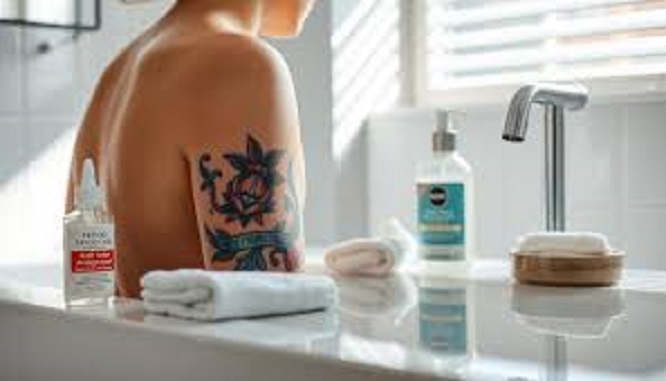

The first two days after getting a tattoo are the most important for proper tattoo care. This initial period plays a key role in how well your tattoo heals and how vibrant it remains over time. A skilled tattoo artist will minimize the risk of infection and other unwanted effects. However, your skin has just gone through controlled trauma, so proper care during these early stages can help prevent complications and preserve the quality of the tattoo.
What to Do in the First 48 Hours
Right after your tattoo session, the artist will typically cover the fresh ink with a sterile bandage or protective film. This barrier plays an important role in keeping bacteria, dust, and other external contaminants away from the sensitive skin. It’s essential to keep this covering on for the amount of time your artist recommends—usually a few hours—unless you’ve been given different instructions based on your specific tattoo.
Once you remove the covering, gently wash the tattoo using lukewarm water and a mild, fragrance-free cleanser. Avoid scrubbing or using rough materials—your hands are enough. After washing, pat the area dry with a clean towel or let it air dry. Applying a thin layer of a recommended healing ointment helps keep the skin hydrated without suffocating it.
During these first 48 hours, cleanliness is key. Wash your hands before touching the tattoo and avoid unnecessary contact. Wearing loose, breathable clothing will reduce friction and allow the skin to recover more comfortably.
You may notice redness, slight swelling, or a warm sensation around the tattoo. These are completely normal reactions as your body begins the healing process.
In some cases, the healing process can also be influenced by your overall lifestyle during these first days. Factors such as staying well-hydrated, getting enough rest, and avoiding alcohol or smoking can support your skin’s ability to recover more efficiently. While these details are often overlooked, they can make a noticeable difference in how quickly irritation subsides and how clean the final result appears. Treating your tattoo as a healing wound rather than just a cosmetic procedure helps ensure the best possible outcome.
What to Avoid During This Critical Period
Knowing what to avoid is just as important as proper aftercare, especially during the first 48 hours when the skin is still extremely sensitive and prone to irritation or infection.
Here’s what you should not do:
- Do not immerse your tattoo in water: During the healing stage, avoid baths, swimming pools, and hot tubs. Extended exposure to water can interfere with skin recovery and increase the chance of bacterial infection.
- Stay away from direct sunlight: Fresh tattoos are highly sensitive to UV rays, which may lead to fading and skin irritation. If you go outside, cover the area with loose, breathable clothing.
- Avoid using unsuitable skincare products: Thick creams, oils, or any substances not specifically recommended by your tattoo artist can block pores and slow down the healing process.
- Do not touch, scratch, or pick at the tattoo: Even if itching occurs, it’s important to leave the area alone to prevent damage and reduce the risk of infection.
- Limit strenuous physical activity: Heavy exercise can cause sweating and friction, both of which may irritate the healing skin and negatively affect the tattoo’s recovery.
Early Signs of Healing
Within the first couple of days, your tattoo may begin to look slightly dull or cloudy. This is a natural part of the healing process as the skin starts to regenerate. You might also notice a light layer forming over the tattoo, which is completely normal.
Mild discomfort, tightness, or sensitivity can continue during this stage, but these symptoms should gradually improve. Proper tattoo care will help ensure that the healing process moves forward without complications.
The first 48 hours after getting a tattoo play a major role in how well it heals. By keeping the area clean, avoiding harmful habits, and following simple aftercare steps, you can protect your tattoo and maintain its quality. Small mistakes during this stage can lead to long-term issues, so it’s worth being careful and consistent.
Another important thing to keep in mind during this stage is how differently each tattoo can behave depending on placement and skin type. Areas with more movement or thinner skin may feel more sensitive and go through healing in a slightly uneven way compared to flatter, less active parts of the body. That’s why it’s normal if your experience doesn’t look exactly like someone else’s — the process is never completely identical. Paying attention to how your own skin reacts is more useful than trying to follow a rigid “one-size-fits-all” expectation.
If you’re looking for a place where safety and professionalism come first, InkDecent Studio is a reliable choice. Our experienced artists work in a clean and controlled environment, using high-quality equipment and providing clear aftercare guidance. Choosing a trusted studio ensures not only a great design but also a safe and smooth healing experience.