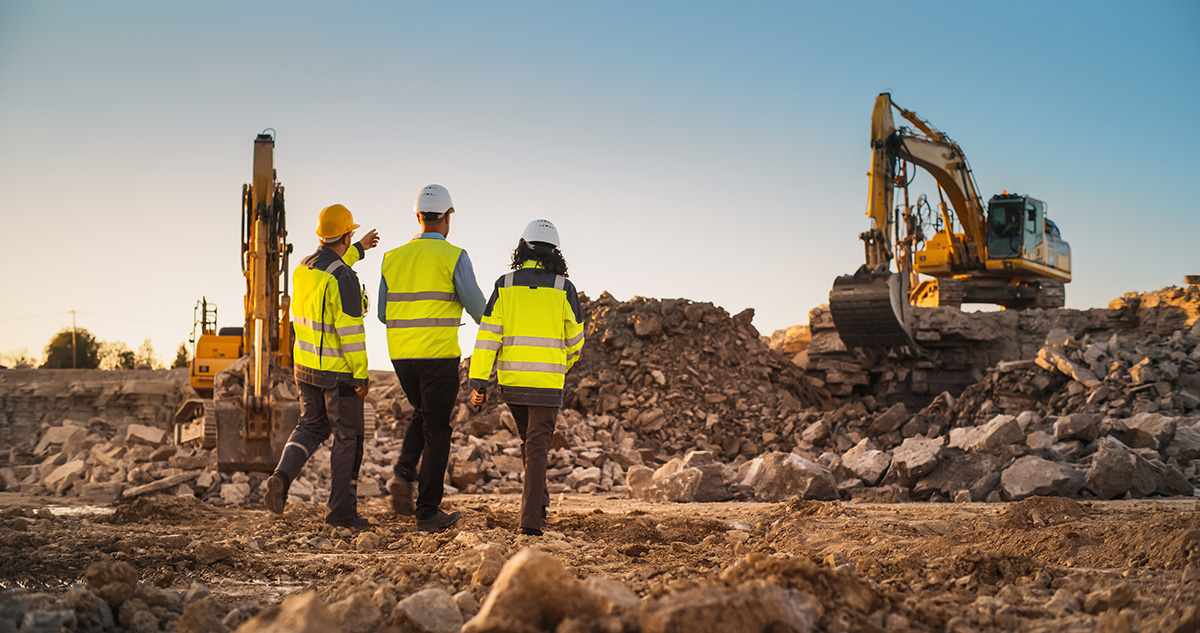

Remote construction projects begin long before the first piece of equipment reaches the site. Distance, limited infrastructure, and restricted access can quickly slow progress if planning falls short. Government construction projects in isolated locations succeed when crews, equipment, materials, and logistics are organized well before fieldwork starts.
Early Site Assessments Reveal Challenges Before Work Begins
Every remote project starts with understanding the site itself. Terrain, road conditions, seasonal weather, utility availability, and nearby support services all influence how construction will move forward. A location that looks straightforward on a map may present transportation limits, unstable ground, or restricted delivery access once crews arrive.
Site assessments also help project teams estimate what resources must be brought in rather than sourced locally. Fuel, temporary facilities, water supplies, communications, and equipment storage all require planning. Navigator International Global Construction recognizes that identifying these conditions early helps prevent expensive delays later in the project.
Reliable Transportation Keeps Materials and Equipment Moving
Distance affects every delivery made to a remote jobsite. Heavy equipment, structural steel, concrete materials, mechanical systems, and specialized components often travel hundreds of miles before reaching their destination. Poor scheduling can leave crews waiting while essential materials remain in transit.
Transportation planning also reduces unnecessary downtime. Deliveries should arrive in the order crews need them instead of filling limited storage areas with unused materials. Government construction projects often depend on carefully timed logistics to keep work progressing without interruption.
Workforce Planning Matters Just as Much as Equipment Planning
Remote projects depend on skilled workers who may travel far from home for extended periods. Housing, meals, transportation, medical support, and shift scheduling all become part of the mobilization plan. Without those arrangements, productivity can suffer before construction even begins.
Labor availability also influences scheduling. Specialized trades may only be available during certain timeframes, making early coordination important. Navigator International Construction Company plans workforce logistics alongside construction activities to help maintain steady progress throughout demanding projects.
Temporary Infrastructure Supports Daily Operations
Many remote sites begin with little or no supporting infrastructure. Construction teams may need temporary roads, field offices, generators, communication systems, storage yards, security fencing, sanitation facilities, and utility connections before major work can start. These temporary systems allow crews to operate safely and efficiently throughout the project.
Well-organized temporary facilities also improve coordination. Workers can access tools, equipment, drawings, and supplies without unnecessary travel across the site. Strong mobilization planning creates an organized work environment even in isolated locations.
Supply Chain Coordination Reduces Costly Delays
Remote construction leaves little room for missed deliveries. Replacing a forgotten fitting, damaged component, or delayed shipment may take days or even weeks depending on the location. Material shortages can affect several trades at once, creating unnecessary downtime across the project.
Procurement schedules help avoid those disruptions. Ordering long-lead items early and tracking shipments carefully allows project managers to anticipate problems before they reach the field. Nav Int emphasizes supply chain coordination because dependable material flow supports both productivity and budget control.
Safety Planning Must Reflect Remote Working Conditions
Emergency response takes on greater importance at isolated construction sites. Medical facilities, repair services, and emergency responders may be much farther away than on urban projects. Project teams must prepare for these realities before work begins.
Safety planning often includes emergency communication systems, evacuation procedures, first-aid resources, equipment inspections, and weather monitoring. Government construction projects frequently require detailed emergency plans that account for the site’s location as well as the type of work being performed.
Communication Systems Keep Every Team Connected
Remote locations can create communication challenges that affect daily decision-making. Weak cellular coverage or limited internet access may slow reporting, scheduling updates, inspections, and coordination between field crews and project managers. Reliable communication systems help prevent misunderstandings that delay construction.
Digital reporting tools, satellite communications, and scheduled coordination meetings help maintain project visibility regardless of location. Navigator International government construction understands that consistent communication supports faster problem-solving and stronger collaboration across every phase of the project.
Experienced Mobilization Planning Strengthens Remote Government Projects
Successful mobilization combines logistics, workforce planning, transportation, procurement, temporary infrastructure, safety preparation, and communication into one coordinated strategy. Each element supports the next, allowing construction teams to begin work with fewer interruptions and greater confidence. Careful preparation often determines whether a remote project stays on schedule or struggles with preventable delays.
Navigator International brings extensive capabilities to remote government construction through comprehensive project management, design-build services, construction management, infrastructure development, logistics coordination, engineering support, and global field experience. Organizations seeking dependable solutions for complex government construction projects can rely on Navigator International to deliver disciplined planning, efficient mobilization, and practical execution in some of the world’s most challenging environments.