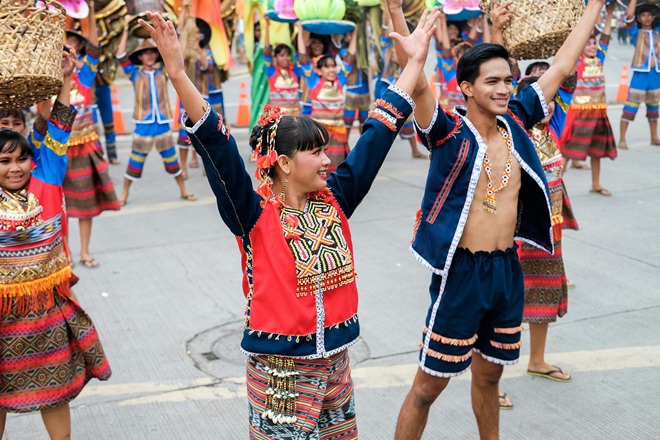

Scroll through any feed during a major festival, and the shift is obvious. Colours change. Content feels warmer. There’s more life in what people are sharing. People post differently when something actually matters to them. That’s the part most analyses miss. Festival content isn’t created to “perform.” It performs because it already carries meaning.
Platforms like Instagram and TikTok simply amplify what’s already there. A family moment, an outfit, a shared meal, these aren’t trends by design, but they turn into trends because thousands of people are doing similar things at the same time.
What used to stay within homes now travels instantly. And once it’s online, it doesn’t stay within one culture either.
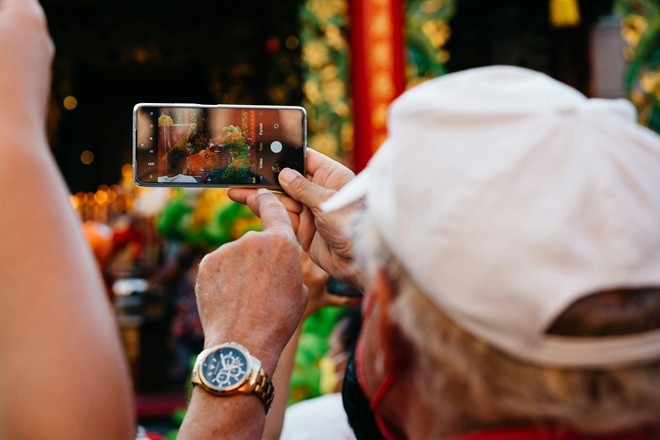
Why Festival Content Feels Different (and Performs Better)
During festivals, people don’t need prompts to post. The content is already happening in real life. Social media has just become an extension. There are a few consistent reasons why this content spreads faster:
- It’s visually clear: Traditional clothing, lights, decorations – no explanation needed
- It carries emotion: Family, nostalgia, generosity – these aren’t manufactured themes
- It happens at large: When millions post around the same moment, platforms naturally push it further
Data from Statista shows engagement spikes during these periods, but that’s expected. When both posting and scrolling increase together, reach expands without extra effort. During major festivals, marketers can use a meme creator online to quickly turn cultural moments and trending topics into shareable content.
Fashion Leads, But Not for the Reason You Think
Clothing dominates festival content, but not just because it looks good. It’s the easiest way to signal participation. Across cultures, the pattern repeats:
-
Eid and Diwali:
Detailed fabrics, bold colours, and coordinated outfits show up everywhere. These looks aren’t random; they’re planned, worn with intention, and shared because they represent the occasion.
-
Middle Eastern celebrations:
Modest fashion has quietly gone global. Loose silhouettes, layered pieces, and neutral tones now influence wardrobes far beyond their origin.
-
Christmas and Halloween:
Content during these events is built around strong visual cues, such as Christmas leans into warm, cosy aesthetics with decorated spaces, coordinated outfits, and family gatherings, while Halloween thrives on creativity through costumes, makeup transformations, and themed visuals. Both are highly “camera-ready” moments, which is why they consistently dominate short-form video and photo content.
-
Lunar New Year:
Red and gold dominate, not just for tradition, but because they translate strongly on camera. Consistency across posts makes the trend easier to pick up.
Fashion, in this context, becomes shorthand. It tells the audience what’s happening without needing captions.
The Same Content Patterns Keep Winning
Even when creators try to be different, festival content often follows familiar formats. That’s because certain things consistently work:
- Quick outfit transformations
- Group moments instead of solo content
- Food being prepared or served
- Small acts of giving or community interaction
Events like eid ul adha festival of sacrifice stand out slightly. There’s celebration, but also visible generosity, such as distribution, sharing, and community involvement. That balance makes the content feel more real, less staged. And that’s exactly why it spreads further.
Insights from the Pew Research Center suggest that during culturally significant events, interaction increases across different groups, not just within one community. That crossover is where content starts moving beyond its original audience.
Timing Isn’t Just Important, It Decides Everything
Posting during a festival helps. Posting at the right moment within that window matters more.
During these periods:
- Search activity rises around specific terms and hashtags
- People spend longer scrolling
- Platforms cluster similar content and push it outward
This creates a loop. More visibility leads to more posts, which leads to even more visibility. Those who align early usually benefit the most, even with simpler content.
Where Brands Get It Wrong
There’s a clear difference between content that belongs and content that’s trying too hard. Common missteps:
- Using cultural visuals without understanding their meaning
- Jumping on trends without adapting them
- Treating festivals like just another marketing slot
What actually works is less complicated:
- Stay aligned with what the event represents
- Adapt content to the audience, not the algorithm
- Focus on moments people already care about
Audiences are quick to pick up on anything that feels off. And once trust drops, so does engagement.
Final Take
Global festivals don’t need help becoming trends. They already are. Social media just speeds up the process and widens the reach. What stands out during these moments isn’t just content, it’s environment, perspective, and the meaning behind it. Emotion, tradition, and shared experience all come together at once. That’s why feeds feel different. That’s why engagement rises. Missing that isn’t just a missed opportunity. It shows a lack of understanding of how attention actually works now.