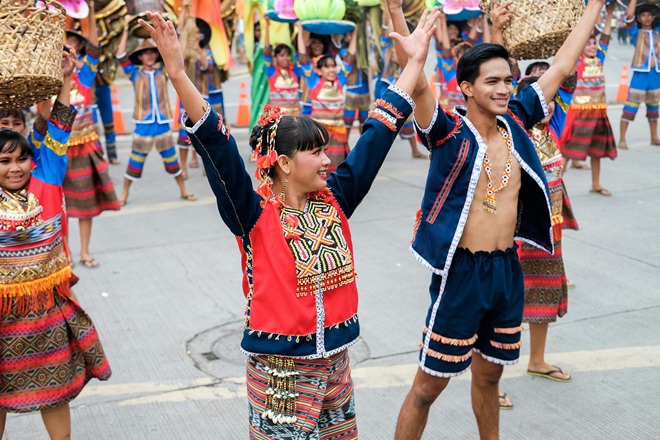
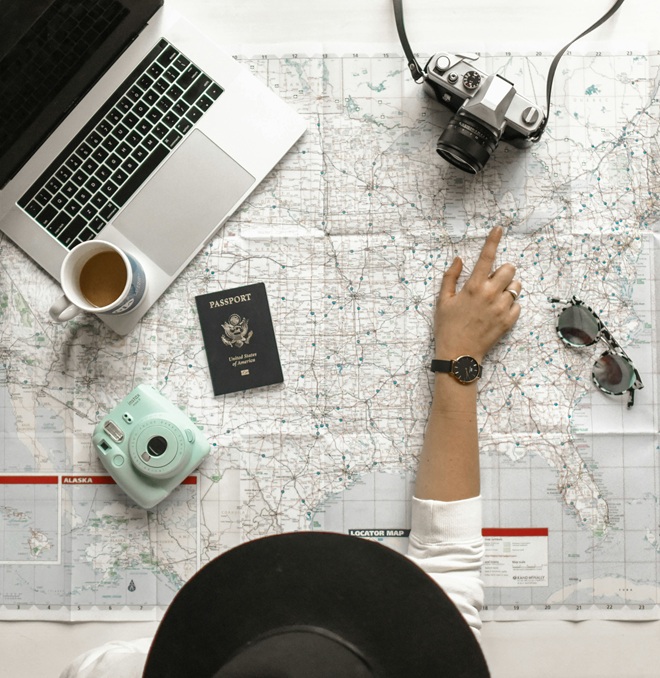

Travel isn’t what it used to be. People aren’t just ticking off the destinations from their lists anymore; they’re trying to understand what a place feels like. That shift changes everything, especially timing. A city visited at the wrong time can feel flat. The same place, during a meaningful cultural moment, feels alive in a completely different way.
Why Timing Matters More Than Location
A destination on its own doesn’t guarantee anything. What actually shapes the experience is when it’s seen. Take the same street, the same buildings, the same people, visit during an ordinary week, and it’s routine. Visit during a major cultural period, and suddenly everything shifts. Shops stay open longer, food becomes more intentional, and people interact differently in public spaces.
Across Southeast Asia, the Lunar New Year turns entire cities into something more expressive and communal. In parts of Europe, Christmas markets change the rhythm of daily life, such as being less transactional and more social. These aren’t superficial changes. They influence how people spend, gather, and engage with one another.
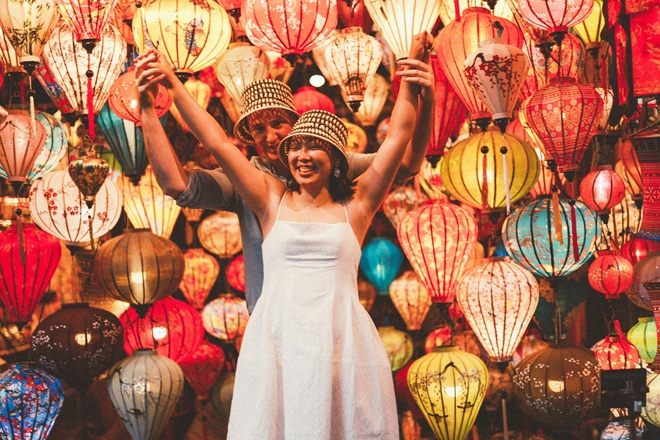
Cultural Events Offer a Clear Way In
Trying to understand a culture randomly is inefficient. Cultural events simplify that. They create a window where everything becomes more visible:
- Food is prepared and shared with intention
- Traditions are practised openly
- Communities become more outward-facing
It removes the guesswork. Instead of trying to interpret daily life, there’s a clearer structure to observe.
Platforms like National Geographic have leaned into this approach, such as less focus on landmarks, more on when to experience a place for maximum depth.
Travelling During Religious Observances
Things become more complex at such periods for travellers. Religious times frequently have the deepest cultural significance, but they also call for visitors to be more mindful. These instances exemplify virtues like discipline, charity, and sacrifice that aren’t usually apparent on a daily basis. They provide a more accurate picture of a civilisation since they are not intended for outsiders.
Travellers may encounter religious rituals like Qurbani on festivals like Eid in many different Muslim communities. It is a part of daily life at the moment, not a show or a well-planned event. Even a quick observation of it provides background and perspective for how cultures view social balance, sharing, and accountability.
That said, there’s a boundary. Watching is acceptable. Participating without understanding is not. The difference matters more than most travellers assume.
Planning Around Culture, Not Just Logistics
Cultural travel requires a different level of planning. Standard itineraries don’t account for how much things change during specific periods. A few realities to consider:
- Crowds are unavoidable: Major cultural events draw both locals and visitors
- Services may shift: Businesses might close, reduce hours, or operate differently
- Social expectations change: Dress, behaviour, even how photos are taken, can carry different weight
Ignoring this leads to friction. Being aware of it makes the experience smoother and more meaningful.
What’s Changing in Travel Behaviour
There’s also a noticeable shift away from large, commercial festivals toward smaller, more local experiences. Instead of major public events, travellers are paying attention to:
- Community-hosted gatherings
- Local food traditions tied to specific dates
- Smaller cultural moments that aren’t advertised globally
Part of this comes from fatigue. Over-commercialised experiences feel staged. Smaller ones feel real. Access to these experiences is also easier now. Digital platforms, local event listings, and real-time updates have made it possible to plan around specific cultural windows instead of vague travel seasons.
Respect Isn’t Optional
There’s a tendency to treat cultural experiences as something to “consume.” That approach fails quickly in environments that aren’t built for tourism. Not everything needs to be experienced directly. In many cases, stepping back and observing is the more appropriate choice.
This becomes especially relevant during religious or community-focused events. Respect shows in restraint, knowing when to engage and when not to.
Final Thought
Authentic travel isn’t unlocked by choosing the right destination. It comes from choosing the right moment. When timing aligns with cultural significance, everything becomes clearer, such as how people interact, what they value, and how communities function beyond surface-level impressions. At that point, travel stops being about movement. It becomes about understanding something that would otherwise remain invisible.