

A compact electric bus may look mechanically simpler than a full-size city vehicle, yet its engineering involves a closely coordinated set of systems. Battery output, motor control, thermal management, braking, and vehicle structure all influence how it performs throughout a working day. Understanding these elements helps operators assess whether a Yutong electric bus can meet the practical demands of a particular route.
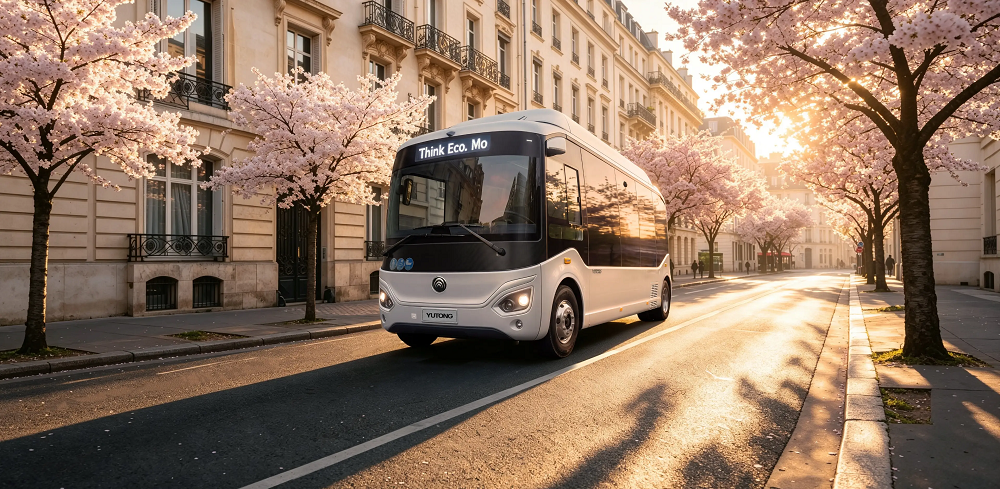
For public transport networks, the value of electric mobility depends not only on battery capacity but also on how effectively the vehicle converts stored energy into reliable passenger service. Yutong Bus develops electric transport solutions within this wider shift toward lower-emission mobility.
Battery Architecture and Energy Management
The battery pack is the primary energy source of an electric bus. Its capacity indicates how much energy can be stored, but actual operating range depends on several additional factors, including vehicle weight, passenger load, road conditions, ambient temperature, and auxiliary equipment. Air conditioning and heating can consume a meaningful share of available electricity, particularly during long shifts or extreme weather.
Battery management systems monitor cell voltage, temperature, and charging conditions. By tracking these variables, the system helps maintain operation within suitable limits and provides information about battery status. For operators evaluating a Yutong electric bus, battery capacity should be considered alongside daily mileage, charging opportunities, and the energy required by onboard equipment rather than treated as an independent measure of performance.
Energy management also involves deciding how electricity is distributed across different vehicle functions. The traction system requires substantial power during acceleration, while lighting, ventilation, passenger information displays, and other auxiliary components draw energy throughout the journey. Effective coordination helps balance these demands and supports more predictable energy consumption.
Electric Motor and Power Control
An electric motor converts electrical energy into mechanical force that drives the wheels. Unlike a conventional combustion engine, it can deliver substantial torque from low rotational speeds, which is particularly useful in urban traffic. Frequent stops, short acceleration periods, and changing passenger loads place different demands on the drivetrain throughout a typical service cycle.
The inverter plays an important role by regulating the electrical power supplied to the motor. It adjusts the frequency and voltage of the motor input according to driving requirements, allowing acceleration and vehicle speed to respond to driver commands. The coordination between the battery, inverter, and motor is central to the operating characteristics of a Yutong electric bus.
Power electronics also influence energy efficiency and heat generation. Electrical losses within the inverter and motor eventually become heat, making component design and cooling arrangements important engineering considerations. Stable operating temperatures help electrical systems maintain consistent performance under varying workloads.
Thermal Management and Regenerative Braking
Temperature control affects more than passenger comfort. Batteries, motors, and power electronics each operate within particular temperature ranges, and excessive heat or cold can affect their performance. Thermal management systems use cooling or heating strategies to regulate component temperatures, with the specific arrangement depending on vehicle design and operating requirements.
The battery presents a particularly important thermal challenge. High temperatures can accelerate degradation, while low temperatures may temporarily reduce available power and usable energy. Thermal management is consequently relevant to both daily operating consistency and long-term battery condition. For a Yutong electric bus, these engineering considerations matter across different climates and duty cycles.
Regenerative braking provides another way to manage energy use. During deceleration, the motor can operate as a generator, converting part of the vehicle’s kinetic energy into electrical energy that returns to the battery. The amount recovered depends on vehicle speed, battery condition, road gradient, and braking demand. Regeneration cannot recover all the energy used during acceleration, but it can reduce friction-brake workload and improve efficiency in stop-and-go traffic.
Chassis Design and Passenger Capacity
The chassis must support the battery pack, drivetrain, passenger compartment, and other onboard systems while maintaining structural strength. Battery placement influences weight distribution and the vehicle’s centre of gravity, so engineers must consider stability, axle loading, and available passenger space together. These decisions become particularly important in compact vehicles, where packaging space is limited.
The E7S (ZK6706BEVG) illustrates how these requirements can be addressed in a smaller transport format. This microcirculation mini electric bus measures 7 metres in length, accommodates up to 30 passengers, and has a 140 kWh battery. Its configuration is intended for passenger services where vehicle dimensions and carrying capacity must be considered together.
Passenger capacity is only one part of practical vehicle assessment. Door arrangement, aisle width, step height, seating layout, and standing space all influence boarding speed and comfort. A compact bus operating through neighbourhood streets may face different passenger-flow requirements from a full-size vehicle serving a major urban corridor. Vehicle design must reflect the route rather than rely on capacity figures alone.
Conclusion
The engineering behind an electric mini bus extends far beyond its battery specification. Power conversion, temperature regulation, regenerative braking, structural design, and charging arrangements work together to shape its performance in everyday transport. These details also explain why vehicle assessment should consider the entire operating environment rather than focus on a single technical figure.
With its experience in electric mobility and commercial passenger transport, Yutong Bus contributes to the development of solutions for different public transport requirements. A well-matched Yutong electric bus is ultimately assessed through how its engineering supports the route, passenger demand, infrastructure, and service schedule.
