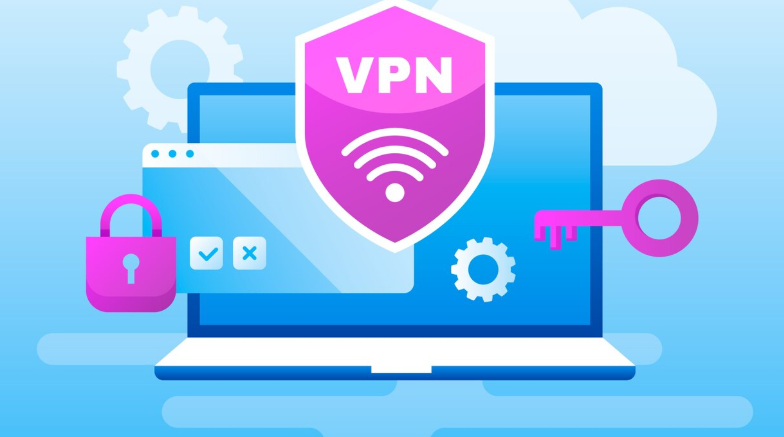

Virtual Private Networks (VPNs) have become common tools for users wanting more control over their online privacy and security. As digital activity increases, questions surrounding the legality and proper use of VPNs have become more frequent. This article explains the legal standing of VPNs in Singapore, their legitimate purposes, potential misuse, and the regulations governing their use. It also guides users on safe and lawful VPN practices and addresses common concerns about whether is VPN legal in Singapore.
VPNs allow users to create secure, encrypted connections across the internet. By masking IP addresses and protecting data, they help maintain privacy and shield online activity from potential cyber threats. Despite these benefits, many users are unsure whether VPN usage is permitted under Singapore’s laws, particularly due to the country’s strict regulatory framework.
This article outlines the legal environment surrounding VPN use, explains relevant legislation, and clarifies what is allowed and what may lead to penalties.
Is It Legal to Use a VPN in Singapore?
VPN usage is generally legal in Singapore. Individuals and businesses regularly rely on VPNs for data protection, remote access, and secure communication. The law does not ban the use of VPN services. However, legality depends on how the VPN is used. Accessing illegal websites, bypassing regulations, or engaging in criminal activities remains unlawful, regardless of whether a VPN is used.
Relevant Legislation and Regulations
Singapore’s Telecommunication Act regulates telecommunications services and ensures compliance with national standards. While the Act does not explicitly prohibit VPNs, users are still responsible for ensuring that their online activities do not violate local laws.
Other laws, including the Copyright Act and the Computer Misuse Act, also play a role. They address unauthorized access to digital content, cyberattacks, and other forms of online wrongdoing. Using a VPN to conceal these activities is not permitted and can lead to penalties.
Why VPN Usage Is Permitted
Although strict about online conduct, Singapore allows VPN usage for several legitimate reasons.
Improving Internet Security
Many individuals and organizations use VPNs to protect sensitive information. A VPN encrypts data transmitted over networks, particularly on public Wi-Fi, reducing the risk of data interception or unauthorized access. For businesses, VPNs also support secure remote operations and communication.
Protecting Personal Data
With rising cyber threats, VPNs help users protect personal details such as login credentials, financial information, and private communications. Encryption prevents cybercriminals from reading or stealing data, making VPNs a useful tool for digital privacy.
Accessing Geo-Restricted Content
Some users rely on VPNs to access legitimate content that may be limited by geographic location, such as educational materials or foreign news sites. While this use is generally permissible, it must still comply with copyright and licensing rules.
Common Misuse Scenarios
Although VPNs have legal and legitimate applications, misuse can still occur. Misuse does not stem from the VPN tool itself but from the actions taken while using it.
Engaging in Illegal Online Activities
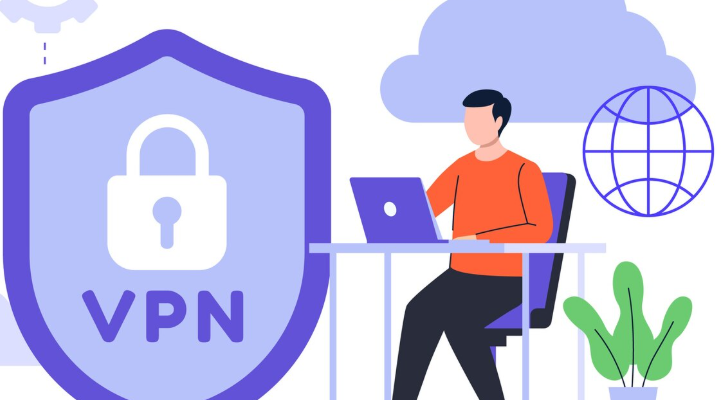
Using a VPN to hide illegal behaviour such as cyber fraud, harassment, or hacking remains a criminal offence. The VPN does not protect users from penalties if their activities violate Singapore’s laws.
Accessing Copyrighted Content Illegally
Viewing or distributing copyrighted material without the proper rights remains unlawful, even when done through a VPN. Users who bypass geo-restrictions to access content they are not permitted to view may face consequences under the Copyright Act.
Concealing Cybercrime
Some individuals may attempt to disguise malicious online actions using VPNs. Such behaviour is addressed under the Computer Misuse Act, and offenders may face fines, imprisonment, or both.
Enforcement and Possible Penalties
Role of the IMDA
The Info-communications Media Development Authority (IMDA) oversees Singapore’s digital and media sectors. While IMDA does not ban VPN usage, it regulates digital services and enforces compliance with content and cybersecurity laws.
Legal Consequences for Misuse
Violating Singapore’s digital laws can result in warnings, fines, or prosecution. Under the Copyright Act, unauthorized access to copyrighted material may lead to penalties. Under the Computer Misuse Act, cyber-related offences can result in severe consequences, depending on the nature and impact of the crime.
Recommended Practices for Safe and Legal VPN Use
Selecting a Reliable VPN Service
Users should choose VPN providers known for strong encryption, transparent privacy policies, and reliable connections. Reputable services avoid data logging and maintain user confidentiality.
Using VPNs Ethically
Ethical VPN usage focuses on protecting personal data, securing online connections, and accessing permissible content. Users should avoid activities that violate copyright laws or misuse digital services.
Following Regulatory Guidelines
Adhering to IMDA guidelines and other legal regulations ensures responsible VPN use. Staying informed about Singapore’s digital laws helps prevent accidental violations.
Frequently Asked Questions
Are VPNs allowed in Singapore?
Yes. VPNs are legal as long as users do not engage in unlawful online activities.
Will users be banned for using a VPN?
Not for using a VPN alone. However, certain platforms may restrict accounts if VPN use violates their terms.
Which VPN works in Singapore?
Several reputable providers—such as ExpressVPN, NordVPN, and Surfshark—offer strong security features suitable for use in Singapore.
Can NordVPN be used in Singapore?
Yes. NordVPN operates legally in Singapore and provides secure browsing and data protection.
Conclusion
VPNs are legal in Singapore when used for legitimate purposes such as securing online connections, protecting personal data, and accessing permitted content. The laws focus on the user’s behaviour, not the VPN itself. Misuse, however, may lead to penalties under various digital and cybersecurity regulations. By choosing reputable VPN services, maintaining ethical online practices, and adhering to local guidelines, users can safely benefit from VPN technology while staying compliant with the law.